

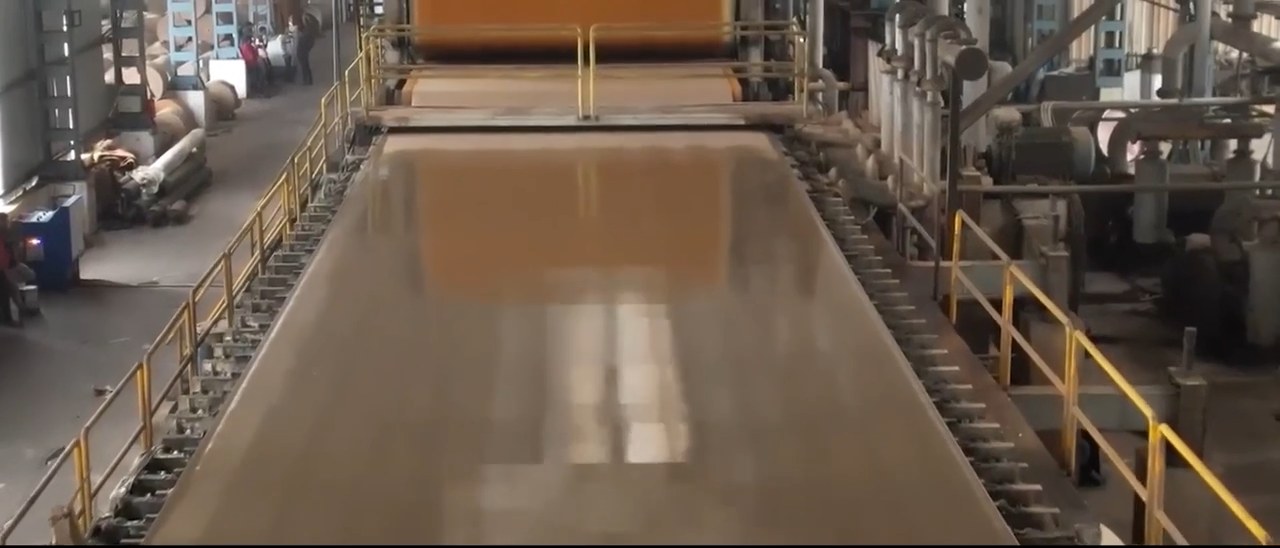
Virgin kraft is made from fresh wood pulp with long fibres, so it is stronger for its weight. Recycled kraft is made from recovered paper, with shorter fibres, and usually costs less. Recycled kraft suits most corrugated boxes, tubes and wrapping at an adjusted GSM; virgin kraft is chosen where tear strength, low weight or food contact rules matter.
Key points
- Fibre length is the main difference. Long virgin fibre gives higher tear and tensile strength per gram.
- Recycled kraft can reach a target strength by adding GSM, but that adds weight and caliper.
- Recycled kraft is generally cheaper because its raw material is waste paper rather than fresh pulp.
- Sack paper, heavy-duty bags and some direct food-contact uses usually call for virgin or virgin-rich kraft.
- Many mills blend the two, so ask for the furnish, not only the label.
What is the difference between recycled and virgin kraft paper?
The difference is the fibre source. Virgin kraft is made from wood chips cooked in the kraft chemical process; recycled kraft is made by re-pulping used paper and board, mostly old corrugated boxes.
The word kraft comes from the kraft pulping process, which keeps fibres long and strong. When that paper is used, collected and pulped again, the fibre is still kraft fibre, but it has been dried, pressed and processed at least once more. In India, "virgin kraft" is often used loosely for any grade with a high share of fresh pulp, including blends with imported recovered paper. When you compare offers, ask what share of the furnish is virgin pulp and what share is recovered fibre.
How strong is recycled kraft compared with virgin kraft?
At the same GSM, virgin kraft is stronger, especially in tear and tensile strength. Recycled kraft closes much of the gap in burst and compression by using more fibre per square metre.
Each time fibre is recycled it gets shorter, and drying makes it stiffer and less able to bond. Fibre can typically be recycled several times (figures of five to seven cycles are commonly cited) before it becomes too short to contribute strength and is lost in the process. Shorter fibre affects tear strength most, because tear depends on long fibres bridging the split. Burst factor and compression depend more on bonding and density, which a mill can improve through grading and refining. That is why recycled kraft performs well in corrugated boxes, where compression and burst matter most, and less well in multiwall sacks, where tear and tensile energy matter most.
Can I use a higher GSM recycled kraft instead of virgin kraft?
Often yes. If a box or tube fails on burst or compression, a heavier recycled grade can usually match a lighter virgin one, but it adds weight, caliper and freight.
Burst factor is burst strength divided by grammage, so for a given BF, burst strength rises in proportion to GSM. A buyer can therefore reach the same burst figure with a higher-GSM, lower-BF recycled paper. The trade-offs: heavier boxes, more board per pallet, sometimes stiffer creasing, and a higher price per box even when the price per tonne is lower. The right comparison is cost per finished box or tube that passes your test, not cost per tonne of paper. For tear-limited uses such as sacks, adding GSM helps less, because tear depends on fibre length.
How do recycled and virgin kraft compare side by side?
The table summarises typical differences. Actual values depend on the mill, the furnish and the grade, so treat it as a guide for questions to ask rather than a specification.
| Property | Recycled kraft | Virgin kraft |
|---|---|---|
| Fibre source | Recovered paper and board, mainly old corrugated boxes | Fresh wood pulp from the kraft process |
| Fibre length | Shorter, stiffer after repeated drying | Longer, more flexible |
| Strength per gram | Lower, especially tear and tensile | Higher |
| Burst factor range | Lower to mid range; higher grades need careful furnish | Mid to high range |
| Appearance | Variable brown shade, possible specks | More uniform brown, cleaner surface |
| Moisture behaviour | Loses strength in humidity; sizing matters | Also loses strength; often better wet tensile |
| Relative cost | Generally lower per tonne | Generally higher per tonne |
| Typical uses | Corrugated liners and flutes, tubes, cores, wrapping | Sacks, heavy-duty bags, premium liners, some food packs |
Does recycled kraft look different from virgin kraft?
Usually, yes. Recycled kraft tends to be a slightly greyer or more variable brown, and may show small specks from ink and residues.
For a plain shipping box this rarely matters. For printed boxes, the base shade and surface smoothness affect how colours reproduce, and a customer who sees two lots side by side may notice shade variation. If appearance matters, agree a reference sample and a shade tolerance. If the outside of the pack must look premium, consider a different face material, such as a lighter top liner or duplex board for the retail carton, as explained in duplex board vs kraft liner.
How do recycled and virgin kraft behave in humidity?
Both lose strength as they absorb moisture. Recycled grades can be more sensitive, so humidity and water resistance should be specified, not assumed.
Paper takes up moisture from the air until it reaches equilibrium, and box compression strength falls noticeably as relative humidity rises. In monsoon conditions, cold chains or long sea freight, ask for a moisture content range at delivery and a Cobb value limit if the paper will be printed, glued or exposed to condensation. Sizing at the mill reduces water absorption; it does not make paper waterproof.
Why is recycled kraft usually cheaper than virgin kraft?
Because its main raw material is waste paper rather than wood pulp, and the process skips chemical pulping. The gap varies with recovered paper prices, pulp prices and freight.
Recovered paper prices move with collection volumes, import availability and demand from mills, while virgin pulp prices follow global markets. A recycled grade can also cost more per finished pack if it needs much more GSM to pass the test. Compare offers on the cost of a pack that meets your performance requirement.
When should I choose recycled kraft, and when do I need virgin fibre?
Choose recycled kraft when the main requirement is compression or burst strength at a sensible weight. Choose virgin or virgin-rich kraft when tear strength, low weight, a clean surface or direct food contact rules decide.
- Recycled is usually the right choice for: corrugated box liners and flutes for most domestic shipments, paper tubes and cores, edge protectors, wrapping and void fill, and secondary packaging.
- Long fibre is still needed for: multiwall cement and chemical sacks, heavy carrier bags, packs where weight saving matters, and some food packaging where regulations or customers limit recycled content in direct contact.
- Blends make sense for: high-BF liners, export boxes facing humidity, and tubes for very heavy reels.
A practical checklist before choosing:
- What failure are you preventing: crushing in a stack, bursting in transit, tearing at handles, or puncture?
- What humidity and storage time will the pack face?
- Is there direct food contact, and what do your market’s rules and your customer require?
- Does the outside need a uniform printed appearance?
- What is the cost per finished, tested pack for each option?
Bollant’s two mills make recycled grades: brown kraft, deluxe and news-print grade paper, duplex board and kraft liner. The company states that strength-critical grades may need a share of long-fibre input, and it does not claim paper can be recycled indefinitely. The range is listed under recycled paper and board.
Frequently asked questions
Is recycled kraft paper as strong as virgin kraft paper?
Not at the same weight. Virgin kraft has longer fibres and higher tear and tensile strength per gram. Recycled kraft can match burst and compression targets by using a higher GSM, which suits most corrugated boxes and tubes.
What is virgin kraft paper?
Virgin kraft paper is made from fresh wood pulp produced by the kraft chemical process, which keeps fibres long and strong. In Indian trade the term is also used for grades with a high share of fresh pulp, so ask for the furnish.
Can recycled kraft paper be used for food packaging?
It depends on the product, the market and whether the paper touches the food directly. Many markets set rules for recycled fibre in direct food contact. Ask for a food-contact declaration for the specific grade and use it only where it applies.
Why does recycled kraft vary in colour?
The shade depends on the mix of waste paper going into the pulper, which changes with collection. Agree a reference sample and shade tolerance if colour consistency matters.
How many times can kraft paper be recycled?
Fibre can typically be recycled several times, with five to seven cycles commonly cited, before it becomes too short to add strength. Fresh fibre entering the system keeps the overall supply usable.
Is recycled kraft cheaper than virgin kraft?
Generally yes per tonne, because the raw material is waste paper. Compare the cost of a finished pack that passes your test, because a recycled grade may need a higher GSM.
What is the difference between kraft paper and kraft liner?
Kraft liner is a strong kraft board made for the outer and inner faces of corrugated board, where it carries the compression load. Kraft paper is a broader term that also covers lighter grades used for flute, wrapping, bags and tubes.
How do I request a quotation or test report for a recycled kraft grade?
Use the request-a-quote form and give the GSM, burst factor, moisture range and reel details you need. Bollant issues a grade specification sheet for the agreed GSM and BF, and a test report for a sample reel when requested.
Bollant Industries · Published 2026-11-15

