


Built on the floor. Proven in production.
Bollant Industries makes recycled kraft paper, duplex board, industrial paper products, packaging and tableware at eight units in Telangana and Karnataka, including two paper mills with a combined design capacity of around 160 tonnes a day.
What Bollant does
We turn what the city throws away into the paper, board and products other industries run on, on floors built for people of every ability.


Recovered at the source
Our mills run on recovered paper and board, graded before it is pulped. Leaf tableware is pressed from sheaths that fall from areca palms.
Revived, not rebuilt
Both paper mills were existing plants brought back to production through assessment, re-engineering and automation.
Integrated at source
Adhesives, printing inks and laminating films are made in-house, so the quality of every downstream product is controlled from the start.


Production process
From recovered fibre to finished product.
Six stages, from recovered paper arriving at a mill to finished products leaving a converting unit. Scroll to move along the line.
- 01 / 06
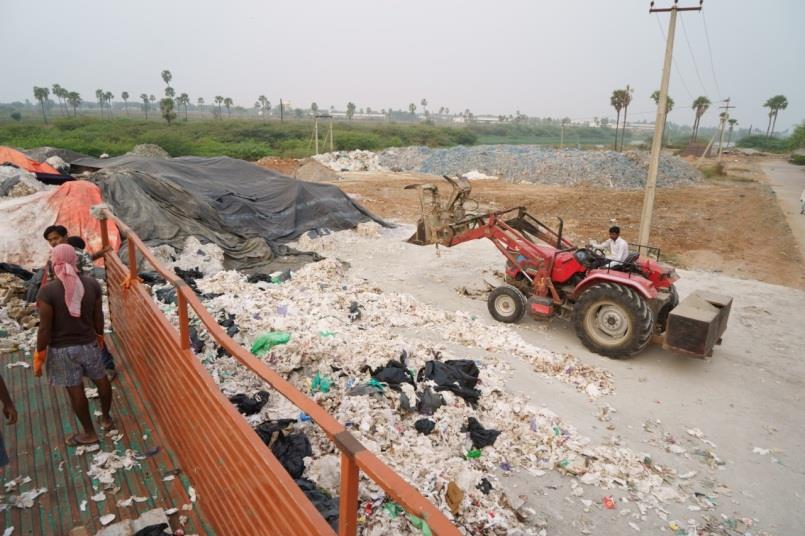
Collect and grade
Recovered paper and board arrive from collection partners and are graded by type before they reach the pulper.
- In:
- Mixed recovered paper
- Out:
- Graded bales
- 02 / 06
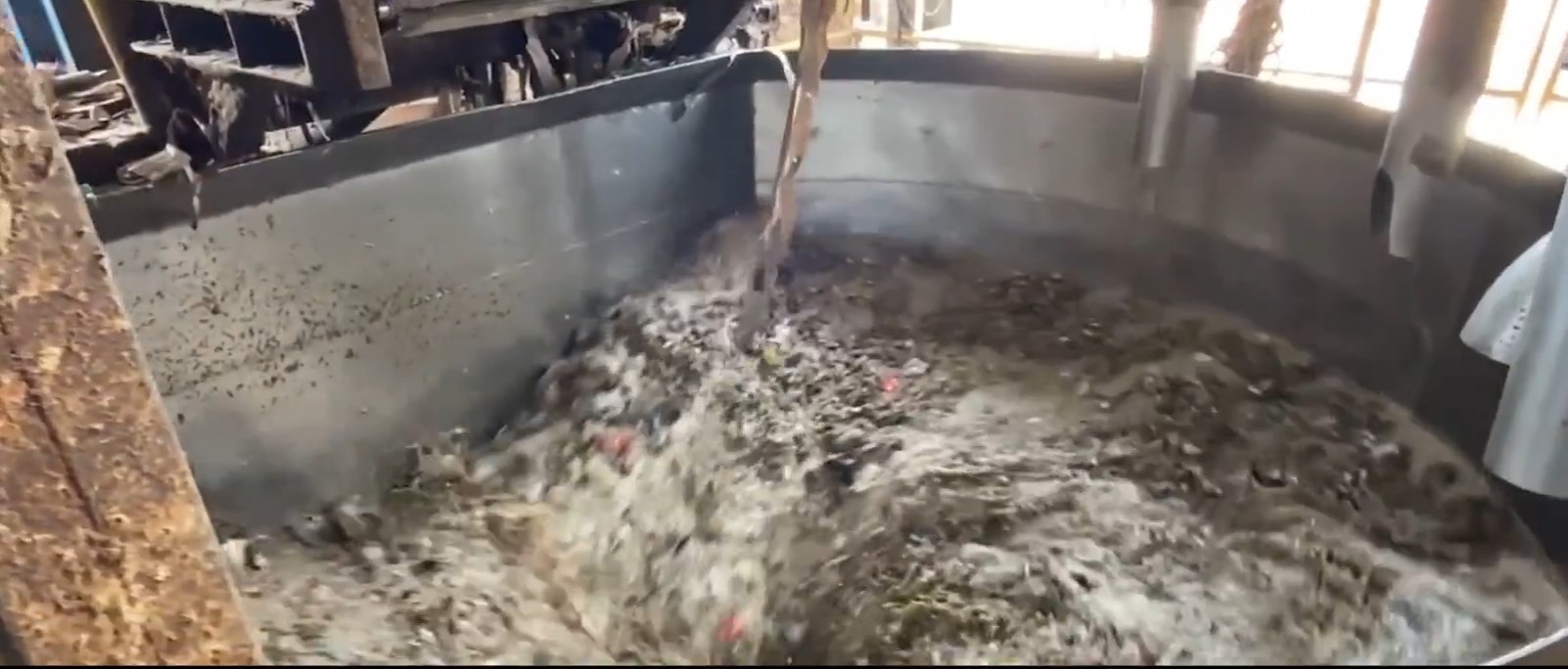
Pulp and clean
Graded paper is hydro-pulped, screened and cleaned so contaminants leave before the fibre is refined.
- In:
- Graded bales
- Out:
- Clean fibre stock
- 03 / 06
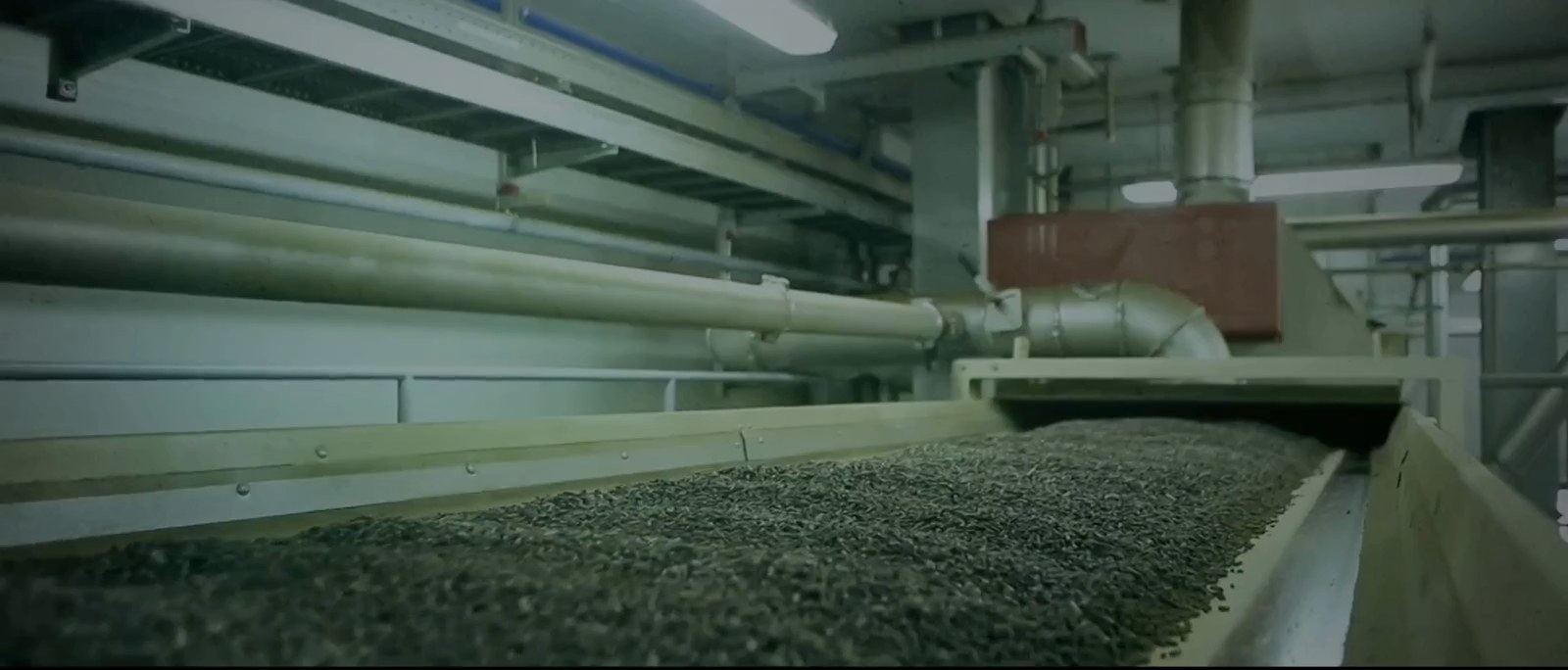
Form the sheet
Refined stock is formed on the wire, pressed and dried on automated, PLC-controlled paper machines.
- In:
- Fibre stock
- Out:
- Continuous web
- 04 / 06
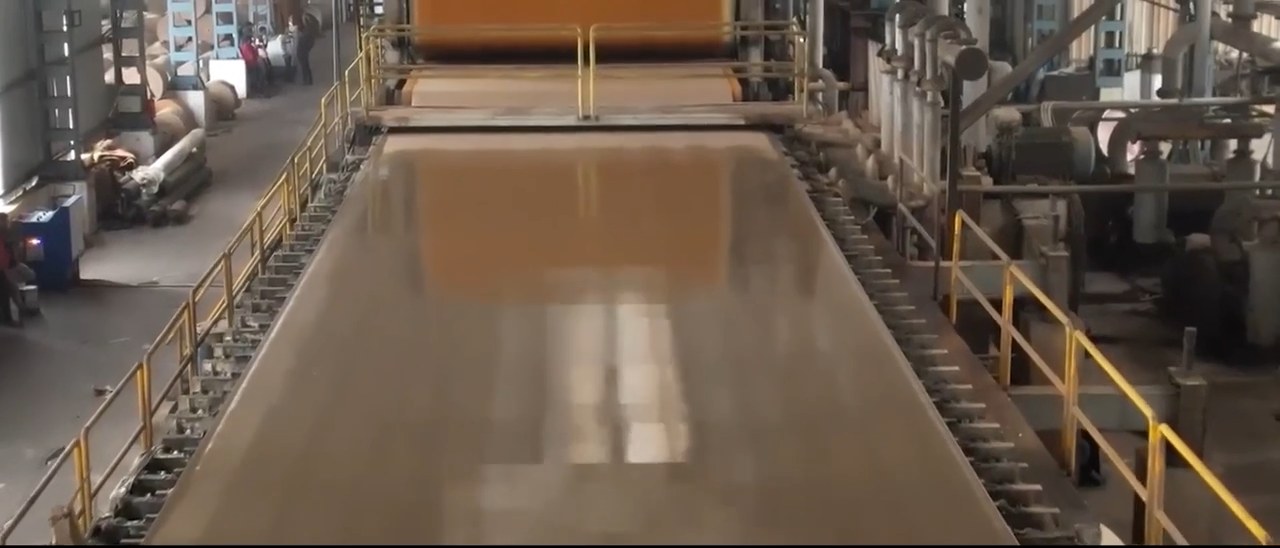
Reel and finish
The web is reeled, then slit and cut to the width, diameter or sheet size of the order.
- In:
- Continuous web
- Out:
- Reels and sheets
- 05 / 06
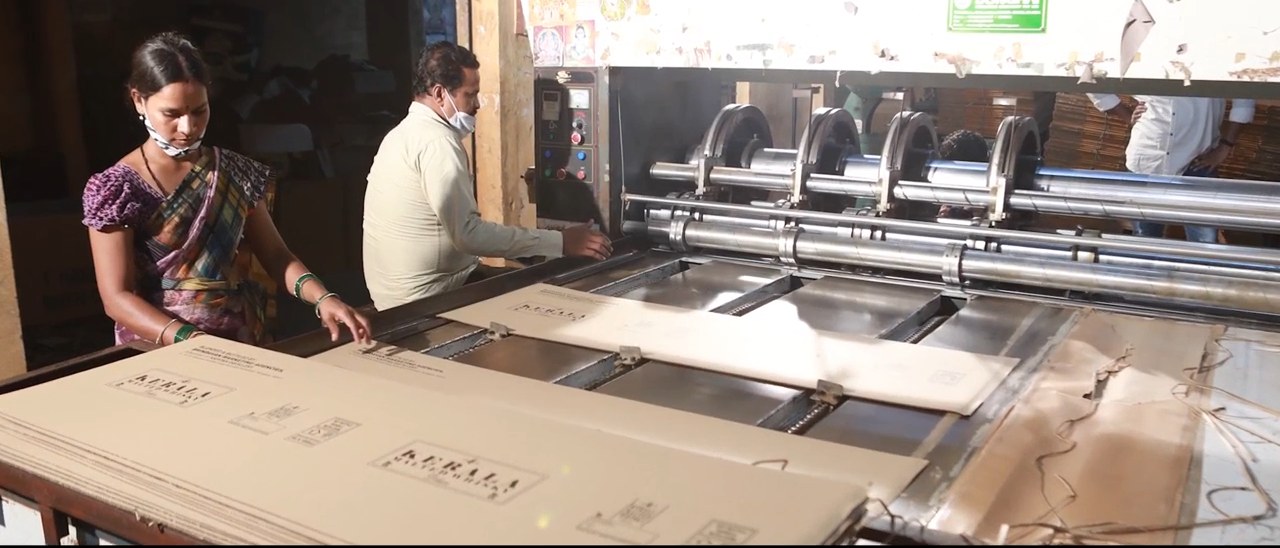
Convert
Converting lines print, laminate, punch, wind and glue the paper into boxes, cores and tableware.
- In:
- Reels and sheets
- Out:
- Finished products
- 06 / 06
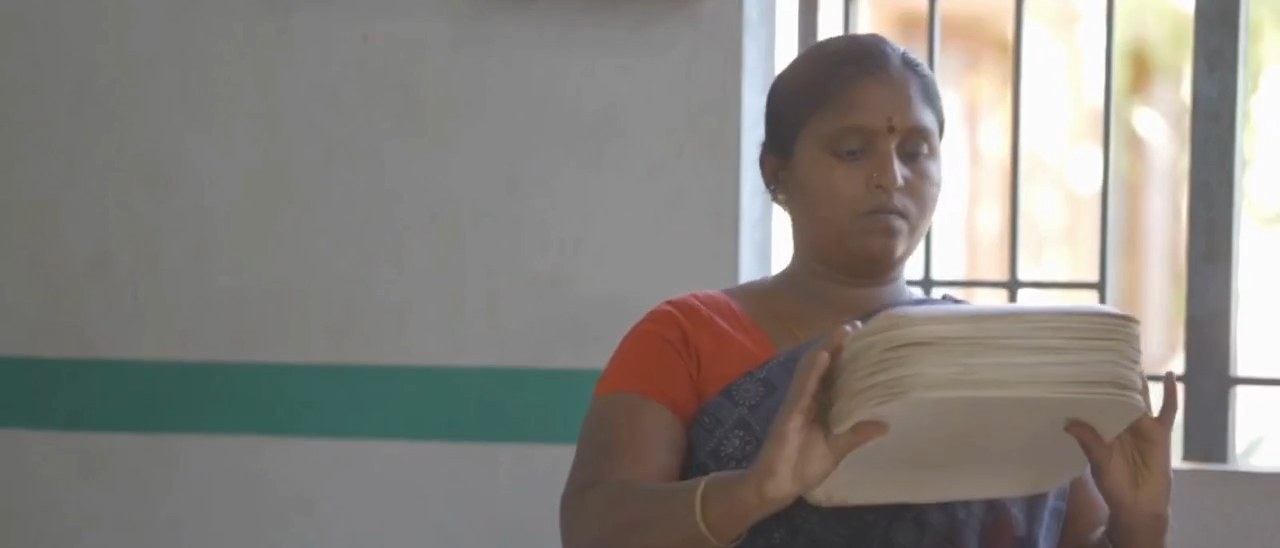
Inspect and dispatch
Output is checked against the agreed specification, then packed, documented and dispatched.
- In:
- Finished products
- Out:
- Dispatched order


Quality and reliability
Built around consistency and control.
Buyers need the hundredth reel to behave like the first. Every order passes through these control points.

Finished plates inspected against the agreed specification before packing.
Incoming material is graded
Recovered paper is sorted by grade before pulping, because the feed decides how a sheet behaves on a customer’s line.
The specification is agreed first
GSM, burst factor, dimensions, print and packing are confirmed in writing before an order is scheduled.
Lines run under process control
Paper machines run on automated, PLC-controlled lines, so settings are repeatable from one run to the next.
Output is checked before dispatch
Finished goods are inspected against the agreed specification before they are packed.
Documents travel with the order
Specification sheets, test results and declarations are shared for the product you buy, once confirmed for that product.
Certifications are published here only once the certificate holder, facility, scope and validity have been confirmed. Ask for the current documentation for the product you are buying.
Industries served
Built around the requirements of business.
Five groups of buyers, each with its own tolerances, documents and delivery patterns.
Industries we serve-
01
Packaging and converting
Reels and sheets that run without breaks on corrugators and printers, in the GSM and burst factor the box design needs, delivered on schedule.
-
02
Textile, metal and process industries
Cores, cones and drums that hold dimension and strength through winding, transport and storage.
-
03
FMCG, food and pharmaceutical brands
Printed packaging that protects the product, matches the artwork and comes with the declarations the category requires.
-
04
Foodservice and hospitality
Plates, bowls and cups that hold hot and wet food for the length of a meal, in consistent sizes and packs.
-
05
Distribution, wholesale and retail
A dependable range in standard packs, with carton specifications and documents ready for onward sale.
Case studies
Real requirements. Practical outcomes.
How Bollant has added capacity, built product lines and designed its floors, in company-stated figures.
All case studiesPochampally: bringing a closed paper mill back into production
A distressed mill with idle machinery and no secure raw material, returned to production using the ARO method.

Jeedimetla: raising a loss-making mill to 100 tonnes a day
An operating mill running far below what its equipment could deliver, turned around with automation and line control.

Areca leaf: turning a burned residue into an export-grade product line
Building a tableware line from a material farmers were sweeping up and burning.

Making our own adhesives and inks to control product quality
Why a tableware maker started formulating its own glues and printing inks.
Insights
Knowledge that supports better decisions.
12 practical guides for buyers and specifiers, and a glossary of the terms behind them.
All insights
Specifying recycled kraft paper: the parameters that matter
GSM alone does not tell a supplier what you need. Burst factor, moisture, Cobb and reel geometry decide how paper runs on your line.
How to specify an industrial paper core or tube
A core that crushes, ovalises or sheds fibre stops a line. Six dimensions and one strength figure prevent most of those failures.

Compostable, recyclable or reusable: making an end-of-life claim you can defend
The same plate can be compostable in one city and landfill in another. What to check before you print a claim on your own packaging.
Questions
Questions buyers ask
Is Bollant Industries a manufacturer or a trader?
A manufacturer. The paper grades come from Bollant’s own two mills, and converted products are made on Bollant lines from that paper.
What does "Built on the floor. Proven in production." mean?
It is the company’s way of saying that its capability is shown by what its units actually produce, not by claims.
Why does Bollant revive mills instead of building new ones?
Existing plants already have land, buildings, permissions and trained people nearby. Bollant assesses them, re-engineers the lines and connects them to raw material and buyers.
Who works on Bollant production floors?
People of every ability. Stations are designed so a task can be done by touch, sight or sound, and the same output standard applies to everyone.
What does Bollant Industries make?
Recycled paper and board, industrial paper products such as cores and cones, corrugated and printed packaging, paper tableware, areca and sal leaf tableware, inks, adhesives and laminating films, and a small home and professional care range.
Where is Bollant Industries based?
The head office is in Somajiguda, Hyderabad, and the manufacturing units are in Telangana and Karnataka.
How do I request a quotation?
Use the request-a-quote form. Choose the enquiry type, the product and your market, then describe the requirement. Only the essential fields are required.
Can I get specifications or test reports before ordering?
Yes. Use the documentation request on any product page. Documents are issued for the exact grade or format you are buying.
Next step
Let’s discuss your next requirement.
Share your product, material or manufacturing requirement. The right team will review it and reply with the next step: a quotation, a sample or a technical conversation.