

The bakery and sweets range
Cake, pastry and sweet boxes
Printed folding boxes to your size and artwork
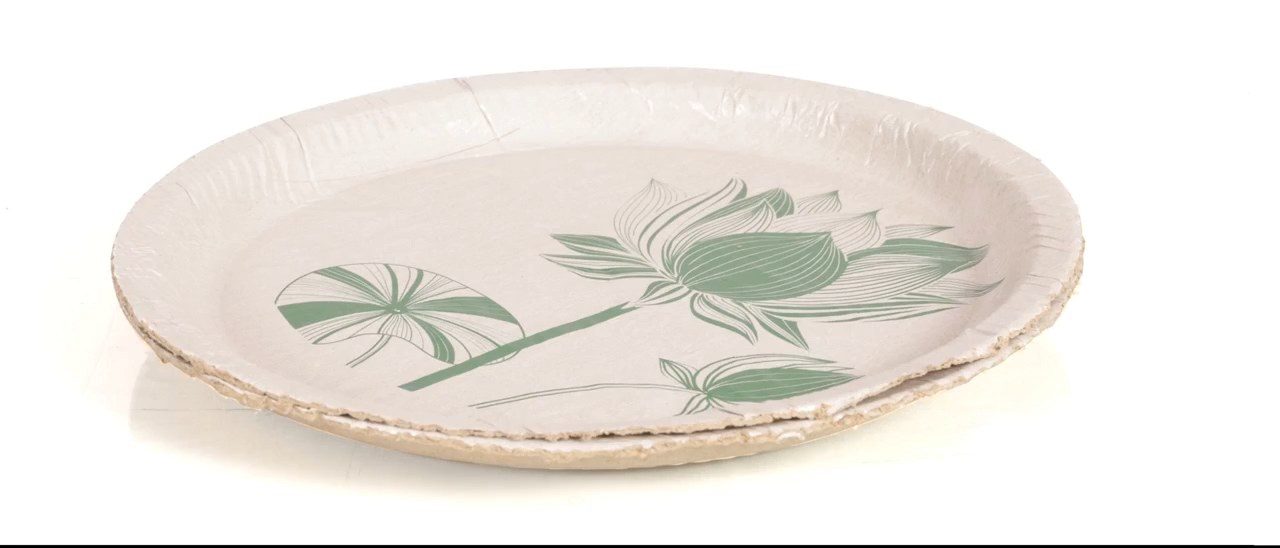
Bakery and breakfast plates
Small and medium, plain or fluted
Moulded pulp trays
Egg and fruit trays and inserts
Foil and poly-coated paper
Barrier wraps for oily foods
Corrugated shippers
Outer boxes for dispatch
Napkins
Plain or printed for the counter
Cake and sweet boxes
Duplex board has a lighter top layer that prints bright, clean colours, so it suits branded cake and sweet boxes on a shelf. Kraft gives a natural brown look and good strength and suits simple one- or two-colour branding. Size a cake box from the board or base, add a small clearance on each side and set the height above the tallest decoration; give these as inner dimensions. A small set of sizes usually covers a whole cake range. Each extra design adds set-up work, so tell the team how a quantity is split across designs.
A window shows the product but is usually a clear plastic film, so the box is no longer a single material and cannot be described as plastic-free; the film should come off before the box goes to paper recycling.
Grease: protect the product, not the whole box
A grease-resistant coating can take a box out of the paper recycling stream. If only part of the product is oily, ask whether an insert or base pad can protect the box so the box itself stays uncoated. Bollant says, construction by construction, when a coating changes the claim you can make. Where food sits directly on the board, ask for a food-contact declaration for that construction and keep print off the food-contact side where possible.
Plates for the counter
Uncoated plates are enough for biscuits, cake slices, sandwiches and pastries served for a short time. If the food carries butter, syrup, cream or oil, a laminated plate stops it soaking through, at the cost of compostability. A fluted rim adds stiffness and a decorative edge; a plain rim nests tightly. Test with the oiliest, heaviest item at its real temperature before a large order.
Dairies
Dairies are among the typical buyers of Bollant’s packaging range, which lists bakery and dairy among its applications. Printed cartons in duplex board and corrugated shippers can be supplied together; send the product, pack size and how it is stored and moved, and the construction is agreed with you.


