

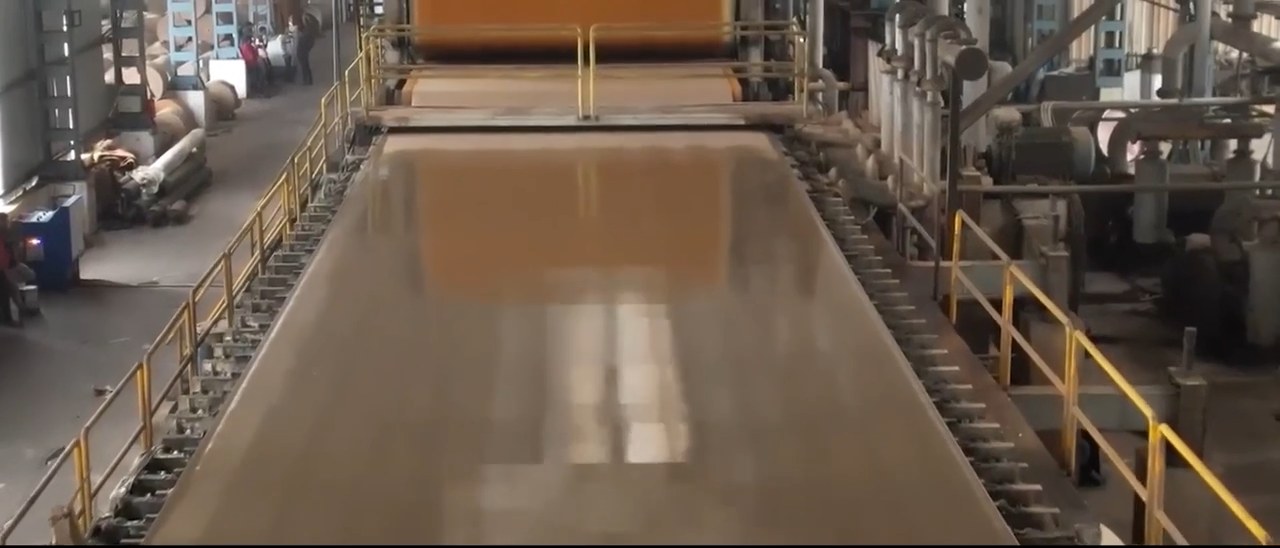
The mill in figures
| Measure | Figure |
|---|---|
| Makes | Recycled paper and board |
| Design capacity | 100 tonnes a day |
| Output when taken on | 30 tonnes a day |
| Condition when taken on | Working, at a loss |
| Time to turn around | About 4 months (2018) |
| Site | 4 acres, Hyderabad |
A working mill that was losing money
Jeedimetla’s problem was different from Pochampally’s. It was not closed. It was running, at a loss, at 30 tonnes a day, well below what its machinery could deliver. In that situation the equipment exists; the operation around it does not use it fully. Bollant applied the same assess, re-engineer, optimise sequence it had used a year earlier, with one difference: automation and tighter line control were introduced from the first month. Output rose to 100 tonnes a day in roughly four months, the shorter of its two revivals. Bollant has not published which causes of the losses applied or in what proportion. See the Jeedimetla case study.
What converters get from it
The mill was taken on to supply board and paper grades at volume for converting customers. Across the two mills the range is brown kraft, deluxe white and news-print grade paper, duplex board and kraft liner board. Machine settings are held by PLC and repeated from run to run, which is what keeps a recycled grade consistent from reel to reel. A test report on a sample reel lets a converter check that before committing.
What to send
- Grade, GSM and burst factor, each with a tolerance
- Moisture range
- Reel width and diameter, or sheet size, and core size
- Monthly volume and delivery location
- End use, so the grade can be checked against it
Capacity is shared across grades, so what is available in your grade depends on the production plan and is confirmed at quotation. See how to specify recycled kraft paper.
A mill inside the city
Because Jeedimetla is in Hyderabad, it sits close to the recovered paper it uses, collected through agreements with the Greater Hyderabad Municipal Corporation and segregation centres, and close to the Nacharam converting units that turn part of its output into plates and packaging.