

The three units
| Unit | Since | At start | Today |
|---|---|---|---|
| Packaging unit (plates and packaging) | 2012 | 5,000 plates a day | ~1.5 lakh plates a day |
| Printing and lamination | 2013 | 1 tonne a day | 4 tonnes a day |
| Adhesives for paper and foil | 2014 | 0.5 tonne a day | 2 tonnes a day |
Why a plate maker started making glue and ink
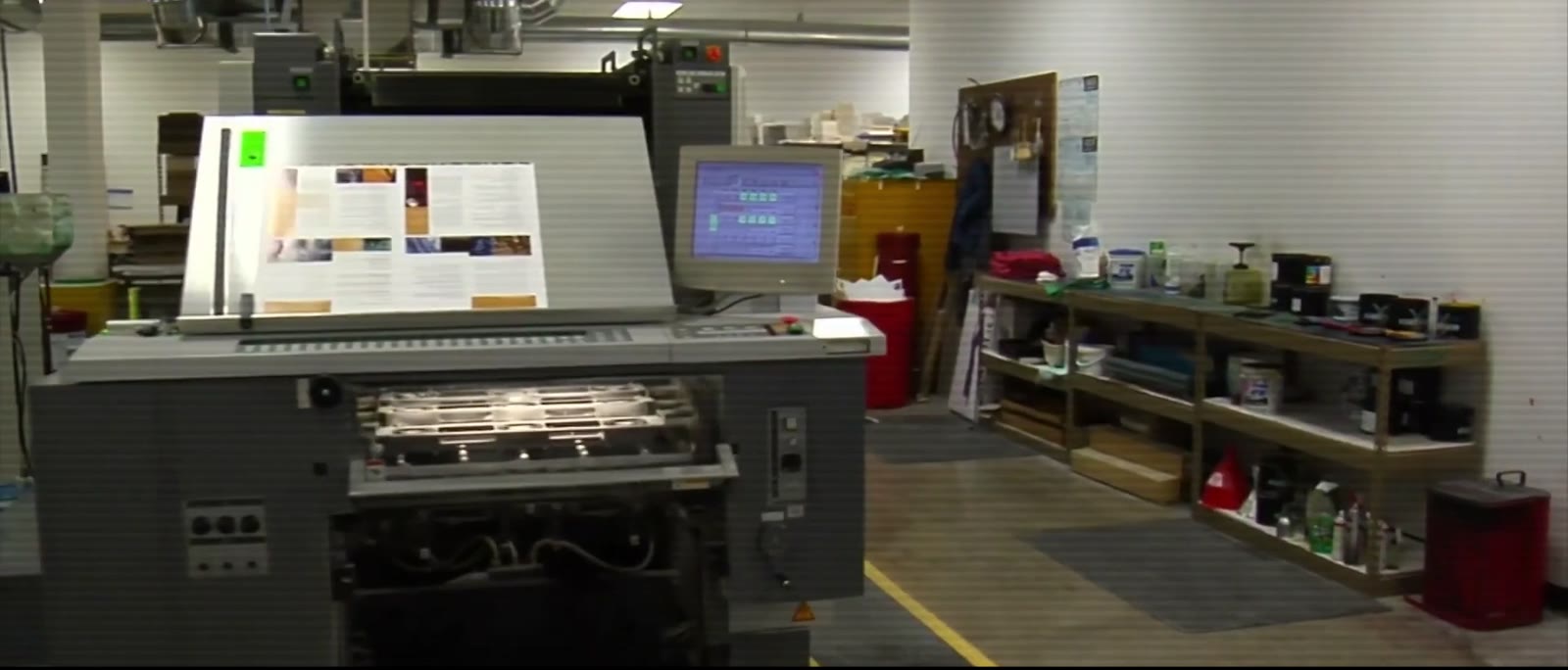
Bollant began in Hyderabad in 2012 making disposable plates. Bought-in adhesives and inks turned out to be the biggest variable in the quality of its plates, cups and cores, so the company set up its own printing and lamination unit at Nacharam in 2013 and an adhesives unit there in 2014. Formulating for a known paper and a known line removed much of that variation. Laminated paper sheets followed in 2015, made in-house with Bollant’s own ink, glue and film. The story is told in the adhesives and inks case study.
What leaves Nacharam
- Paper plates and other disposable and packaging products from the packaging unit
- Laminated paper sheets, cut to the buyer’s die, for plates, bowls and wraps
- Adhesives for paper, board and foil, for tube winding, carton gluing and paper-foil lamination
- Print on paper and board for Bollant’s packaging and tableware
The adhesive in every Bollant core, tube, cone and fibre drum comes from the Nacharam adhesives unit. The packaging, printing and lamination units are where Bollant’s printed packaging is made.
For other converters
The printing and lamination unit and the adhesives unit supply other converters as well as Bollant’s own lines. Typical buyers are disposable-product manufacturers, printers and packaging converters. Each adhesive or ink order ships with a Safety Data Sheet, and a technical data sheet is available for the grade supplied. To replace a product you already use, send its technical data sheet, the substrate, application method and line speed, and trial the new grade on your own machine before switching. See supplies for disposable makers.