

The two units
| Unit | Opened | Capacity at start | Capacity today (company-stated, 2021) |
|---|---|---|---|
| Hubli | 2014 | 40,000 units a day | ~1.5 lakh units a day |
| Bengaluru | 2016 | 40,000 units a day | ~1.5 lakh units a day |
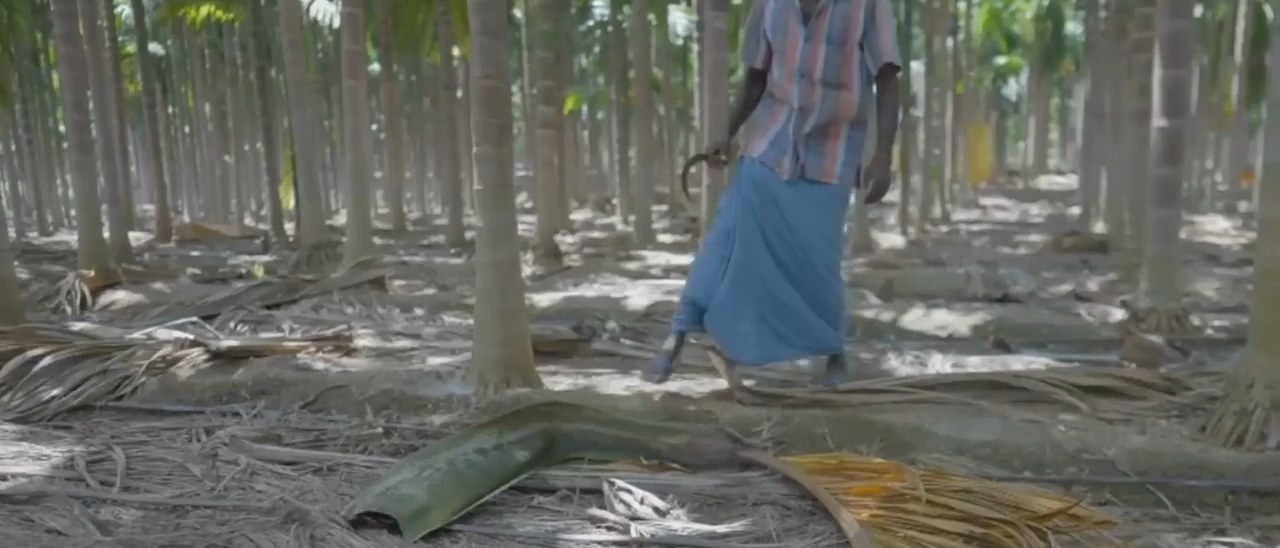
Bollant’s first product, in 2012, was a plate pressed from a fallen areca sheath. As demand grew, the company put its leaf capacity in Karnataka rather than in Hyderabad, because the material comes from plantations and a sheath is light, bulky and seasonal. The facilities page puts it plainly: the two areca units in Karnataka are close to the farmer partners who supply sheaths.
From plantation to carton
Areca palms shed their old leaf sheaths naturally, and on many farms these were swept up and burned. Bollant collects them from farmer partners and pays for them. At the units each sheath goes through a multi-stage water and pressure wash, is heat-press moulded in a die, UV treated, graded and packed. Nothing is added: no binder, coating or chemical. Grading narrows the natural variation in colour and grain, so agree a grade against reference samples if a uniform look matters.

What the Karnataka units make
- Round plates, 6 to 12 inches
- Square plates, 6 to 10 inches
- Bowls, 4 to 8 inches
- Trays, 9 × 6 and 10 × 6 inches
- Spoons, forks and coasters
Standard packs hold 10 or 25 pieces; spoons come in 20s and 50s. The leaf cannot be printed, so branding goes on sleeves, cartons and labels.
Buying from the Karnataka units
Buyers in India order from Bollant Industries directly, and areca items can share an order with paper plates, cups and napkins made in Telangana. Supply follows the season, because sheaths fall when the palm sheds them, so give volumes and dates early for events and seasonal retail programmes. Importers buy through the group’s export company, Bollant Foods.